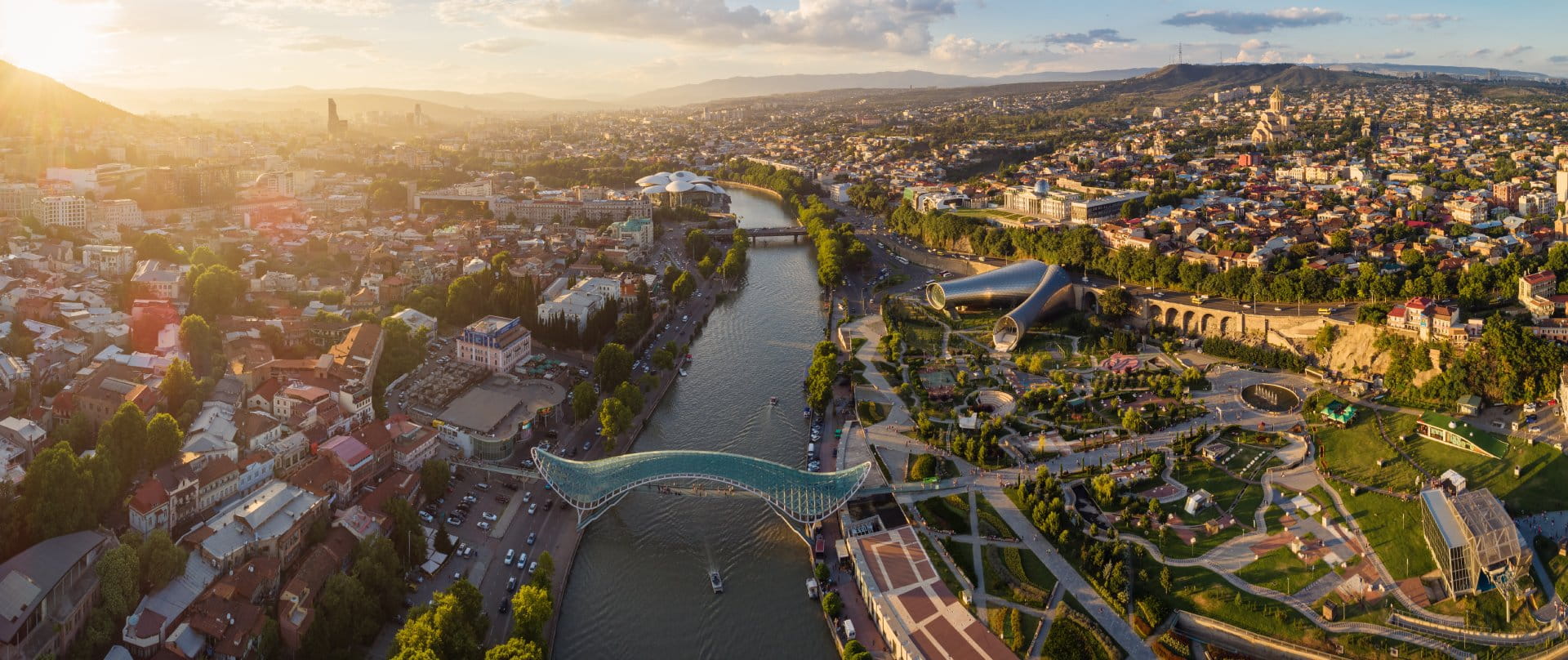
Where ancient history meets vibrant modernity. Explore the capital of Georgia — a city of wine, warmth, and wonder.

Founded on Warm Springs
Legend has it that King Vakhtang I Gorgasali founded the city in the 5th century AD after his falcon fell into a hot spring during a hunt. The bird was either boiled or healed — depending on which version you prefer — but the king was so impressed by the warm waters that he decided to build a city on the spot.
The name "Tbilisi" derives from the Old Georgian word "tbili" (თბილი), meaning "warm" — a reference to the sulfurous hot springs that still bubble beneath the city today.
Occupying a strategic position at the crossroads of Europe and Asia along the ancient Silk Road, Tbilisi has been destroyed and rebuilt 29 times throughout its turbulent history. This explains the unique architectural tapestry you see today — where Persian, Russian, Ottoman, Soviet, and Art Nouveau styles coexist harmoniously.
Each district has its own character, from ancient cobblestone streets to Soviet-era charm and modern energy.
The historic heart of Tbilisi. Winding cobblestone streets, colorful balconies, sulfur baths, and the famous Leghvtakhevi waterfall. Start your exploration here.
The main thoroughfare of Tbilisi. Grand 19th-century buildings, the Opera House, National Museum, and Parliament. Perfect for an evening stroll.
The hipster hub of Tbilisi. Craft coffee shops, art galleries, co-working spaces, and the famous Fabrika hostel. Young and creative energy.
A quiet, upscale residential area with beautiful tree-lined streets. Great for peaceful walks and finding hidden restaurants away from tourists.
Take the funicular up to Mtatsminda Park for panoramic views of the entire city. The TV tower here is an iconic Tbilisi landmark.
Charming Art Nouveau district with ornate balconies and hidden courtyards. The path to Mother of Georgia statue starts here.
Georgia is considered the cradle of wine — with over 8,000 years of winemaking tradition. The unique qvevri method (clay vessel fermentation) is UNESCO-recognized.
Georgian cuisine is a feast for the senses. From khinkali (soup dumplings) to khachapuri (cheese bread) to mtsvadi (grilled meat), every meal is a celebration.
Georgian soup dumplings. Hold by the top, bite, slurp the juice, eat. Never use a fork!
Cheese-filled bread. Try Adjarian style with egg and butter — mix it all together!
Orange/amber wine made in qvevri. Saperavi and Rkatsiteli are must-try varieties.
Everything you need to know before visiting Tbilisi.
Georgian (Kartuli) is the official language with its unique alphabet. English is widely spoken in tourist areas and by younger generations. Russian is understood by older locals. Learn "Gamarjoba" (hello) and "Madloba" (thank you) — locals love it!
Tbilisi is one of the safest capitals in Europe. Violent crime is rare, and Georgians are famously hospitable. Normal precautions apply — watch your belongings in crowded areas. The biggest "danger" is being invited to a Georgian feast and eating too much!
The best way to experience the city — with expert local guides.

Book your Batumi to Tbilisi train ticket online and enjoy a comfortable 5.5-hour scenic railway jour...

Book your Tbilisi to Batumi train ticket online and enjoy a comfortable 5.5-hour scenic journey to G...
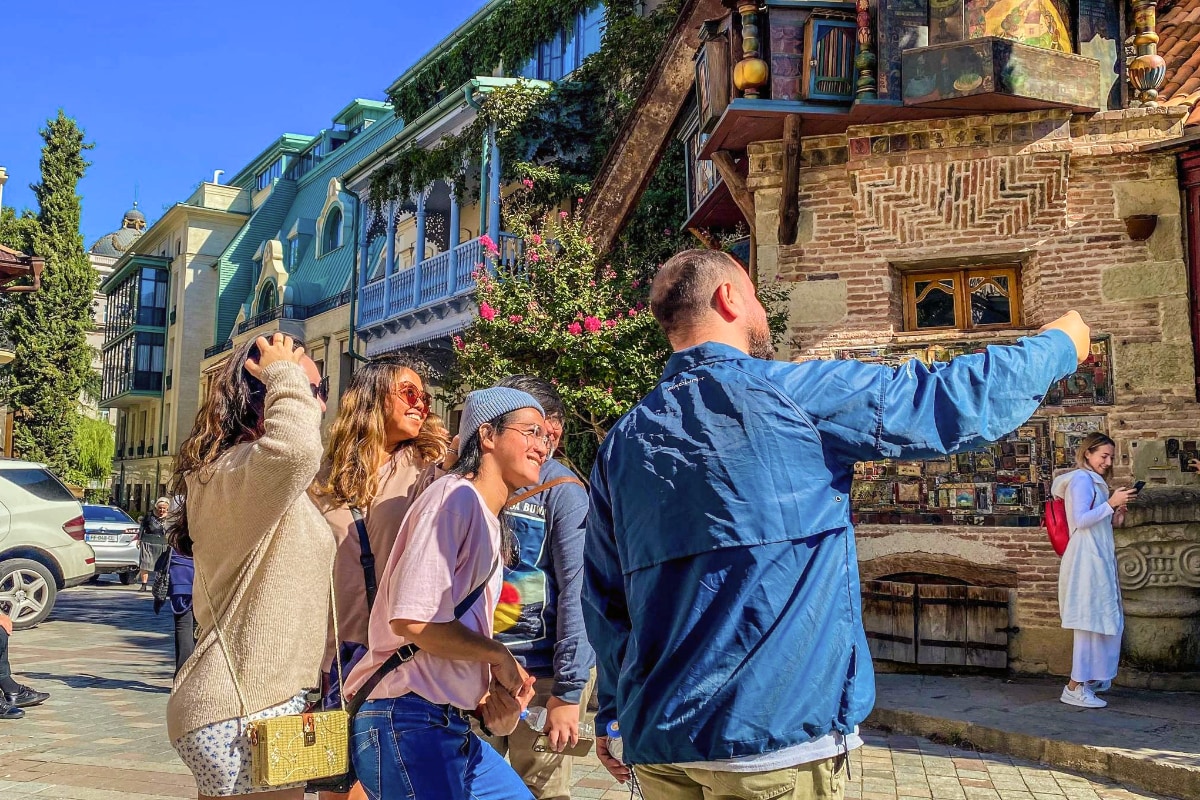
Explore the heart of Tbilisi on a guided Old Town walking tour. Ride the cable car to Mother of Geor...
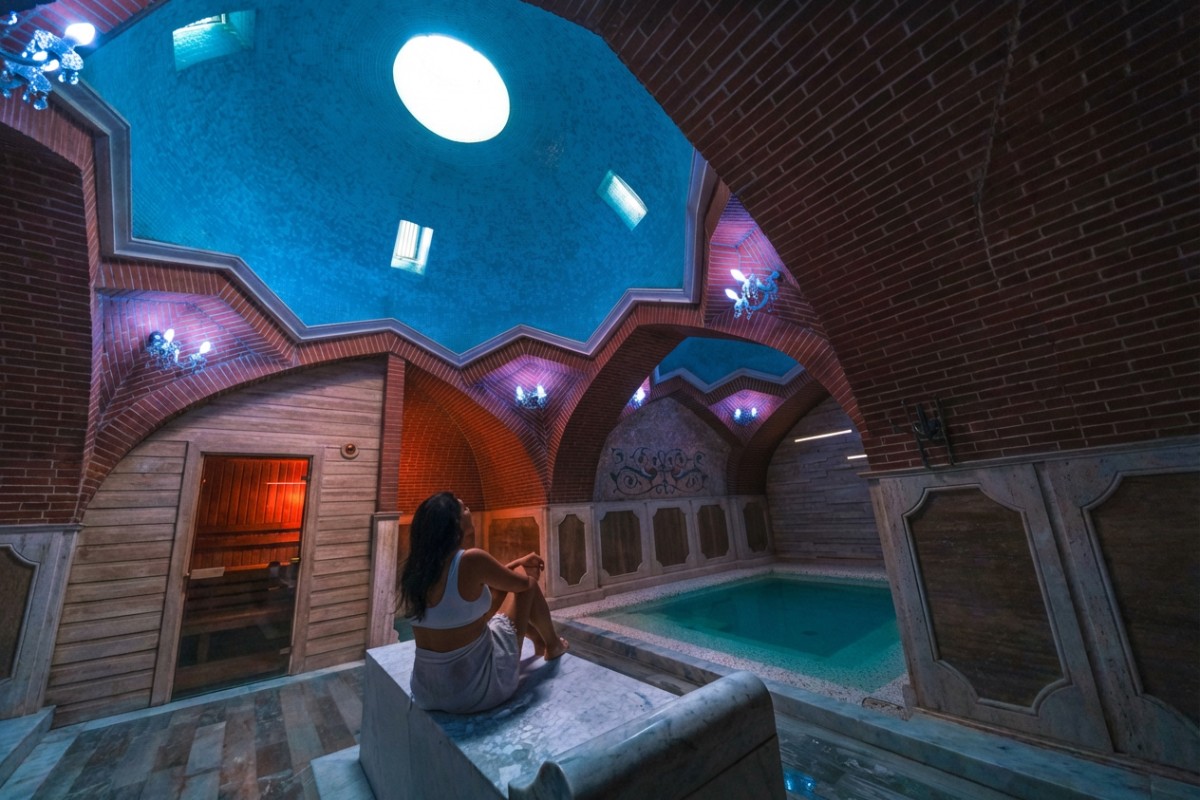
Relax in a private luxury sulfur bath in Tbilisi’s historic Abanotubani district. Enjoy hotel pick...
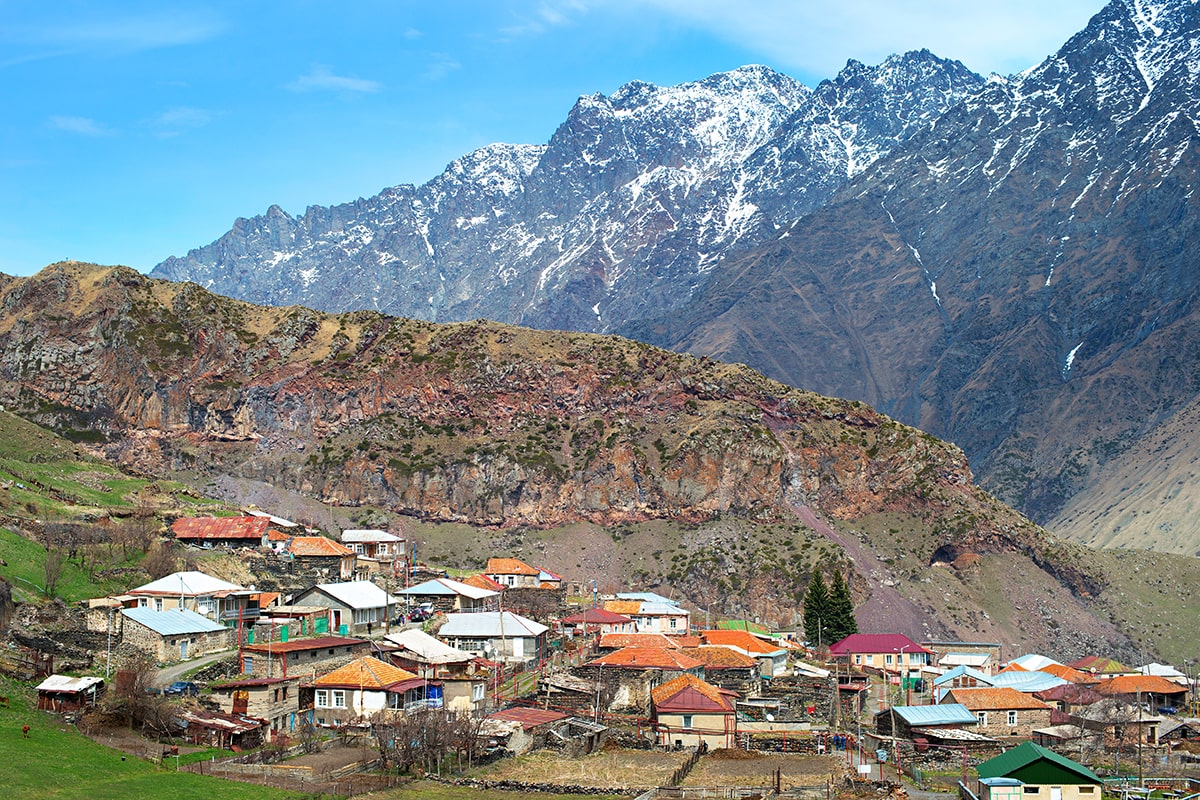
Discover the breathtaking Caucasus Mountains on a full-day Kazbegi tour from Tbilisi. Visit Ananuri ...
Book your tours and activities with confidence. Expert local guides, best prices, and instant confirmation.