Stepping onto the cobblestone streets of Tbilisi feels like opening a living history book where ancient traditions seamlessly blend with a modern, vibrant energy. As you explore the balconied houses of the Old Town or sip wine in a trendy Sololaki cafe, you will quickly realize that Georgia is defined by its people and their profound sense of hospitality. To truly appreciate the depth of this culture, it is essential to move beyond the role of a passive observer and engage with the local customs that shape daily life. Understanding the nuances of social interaction not only prevents awkward misunderstandings but also opens doors to genuine connections, turning a simple vacation into a deeply emotional journey through the Caucasus.
While Georgians are incredibly forgiving and welcoming to tourists, showing that you have taken the time to learn their etiquette is seen as a sign of immense respect. The local philosophy dictates that "a guest is a gift from God," and this maxim influences everything from how you are greeted to how you are fed. By mastering a few simple rules regarding dress codes, dining etiquette, and language, you transform from a stranger into a welcomed friend. Let’s dive into the essential social norms that will enhance your cultural experience in Tbilisi.
The Heart of Georgia: Understanding the Supra and Hospitality
At the core of Georgian social life lies the Supra, a traditional feast that is much more than just a dinner; it is a ritual of connection, philosophy, and emotion. If you are lucky enough to be invited to a local home or a gathering in Tbilisi, you must understand the role of the Tamada, or toastmaster. The Tamada leads the table, offering toasts that range from honoring God and peace to remembering ancestors and celebrating women. It is customary to listen quietly while the toast is being made, and you should never drink your wine until the toast is concluded. In this context, wine is sacred, and sipping casually while someone is speaking is often considered disrespectful.
The concept of hospitality here is aggressive in the warmest possible way; hosts will constantly refill your plate and glass, often ignoring your polite refusals. If you are truly full, the best strategy is to leave a small amount of food on your plate or wine in your glass, signaling that their generosity has overwhelmed you. Attempting to split the bill at a hosted dinner is generally frowned upon and may offend your host. Instead, accept their generosity with grace, perhaps offering a heartfelt toast in return or promising to host them in your home country one day. This cycle of giving and receiving is the heartbeat of Georgian society. You might even hear a host say "Gaumarjos!" (Cheers!) repeatedly, encouraging everyone to partake in the festivities.
Dress Code and Respect: Visiting Orthodox Churches
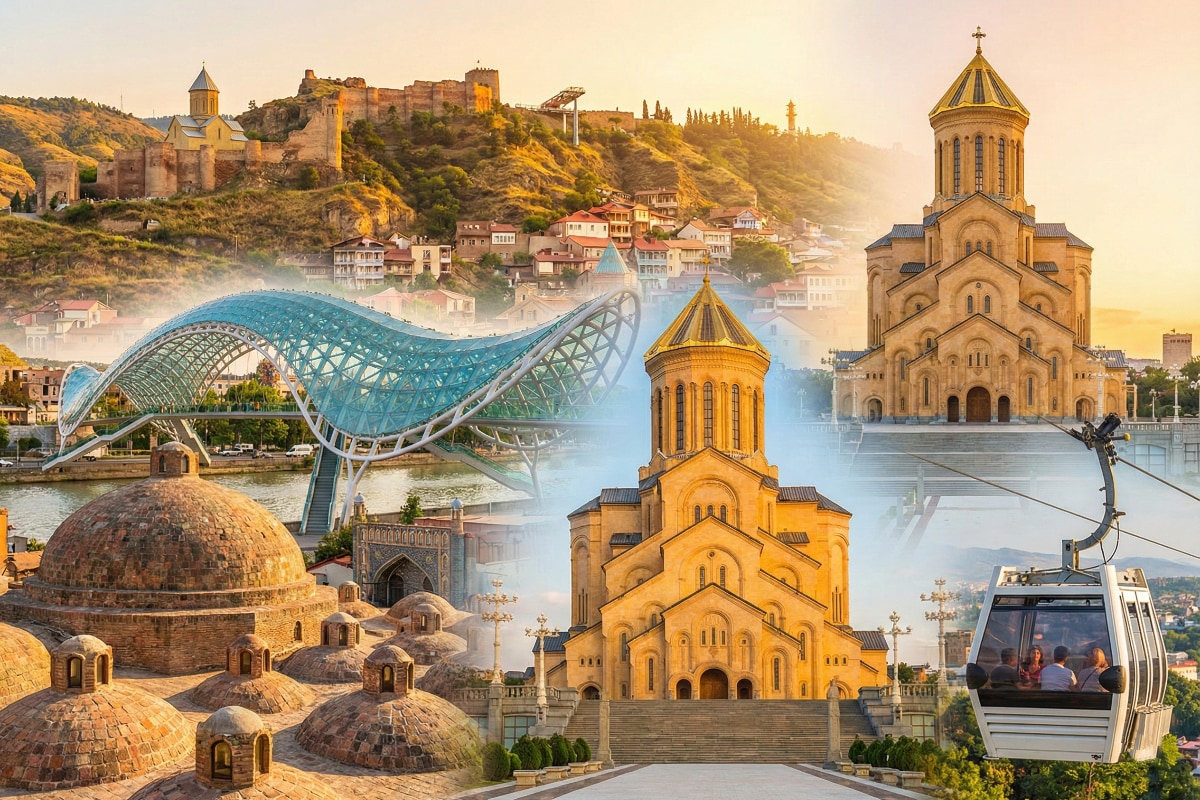
Georgia is one of the world's oldest Christian nations, and the Georgian Orthodox Church plays a pivotal role in the country's identity and daily life. Tbilisi is dotted with stunning cathedrals and ancient basilicas, such as the Holy Trinity Cathedral (Sameba) and Sioni Cathedral. These are not merely tourist attractions but active places of worship where locals go to pray, light candles, and seek solace. Therefore, adhering to a strict dress code is non-negotiable and is strictly enforced by attendants at the entrances.
When planning a day of sightseeing that includes religious sites, it is crucial to dress modestly to avoid being turned away at the door. For men, this means wearing long trousers; shorts are almost universally prohibited inside churches, and you must remove any hats or caps before entering. For women, the rules are slightly more specific and traditional. While trousers are common in the city, many churches require women to wear a skirt, and covering your hair with a scarf is mandatory. Many churches provide wrap-around skirts and scarves at the entrance, but carrying your own is more hygienic and respectful.
- For Women: Always carry a lightweight scarf in your bag to cover your head. Ensure your skirt or dress extends below the knees. If you are wearing trousers, be prepared to wrap a cloth over them.
- For Men: Avoid wearing shorts or tank tops. Remove hats immediately upon entering the church grounds or the building.
- General Behavior: Keep your voice to a whisper, silence your mobile phone, and avoid using flash photography. Never turn your back on the altar when exiting if possible, and avoid taking photos of monks or priests without explicit permission.
Dining Out: Tipping and Table Manners
The culinary scene in Tbilisi has exploded in recent years, offering everything from traditional Khinkali houses to high-end fusion restaurants. However, tipping culture in Georgia can be confusing for travelers used to Western standards. In many establishments, you will notice a "Service Charge" of 10% to 18% added automatically to your bill. It is important to note that this amount rarely goes directly to the waiting staff; instead, it often goes to the restaurant owner or is split among the entire team including the kitchen.
To ensure your waiter receives gratitude for their hard work, it is customary to leave an additional tip. Standard practice in Tbilisi involves leaving an extra 10% to 15% of the total bill directly for the server. Cash is king when it comes to tipping; even if you pay for your meal by card, most card machines do not have an option to add a tip. Therefore, always carry small denominations of Georgian Lari (GEL) to leave on the table. This small gesture is highly appreciated and ensures the staff feels valued for their service.
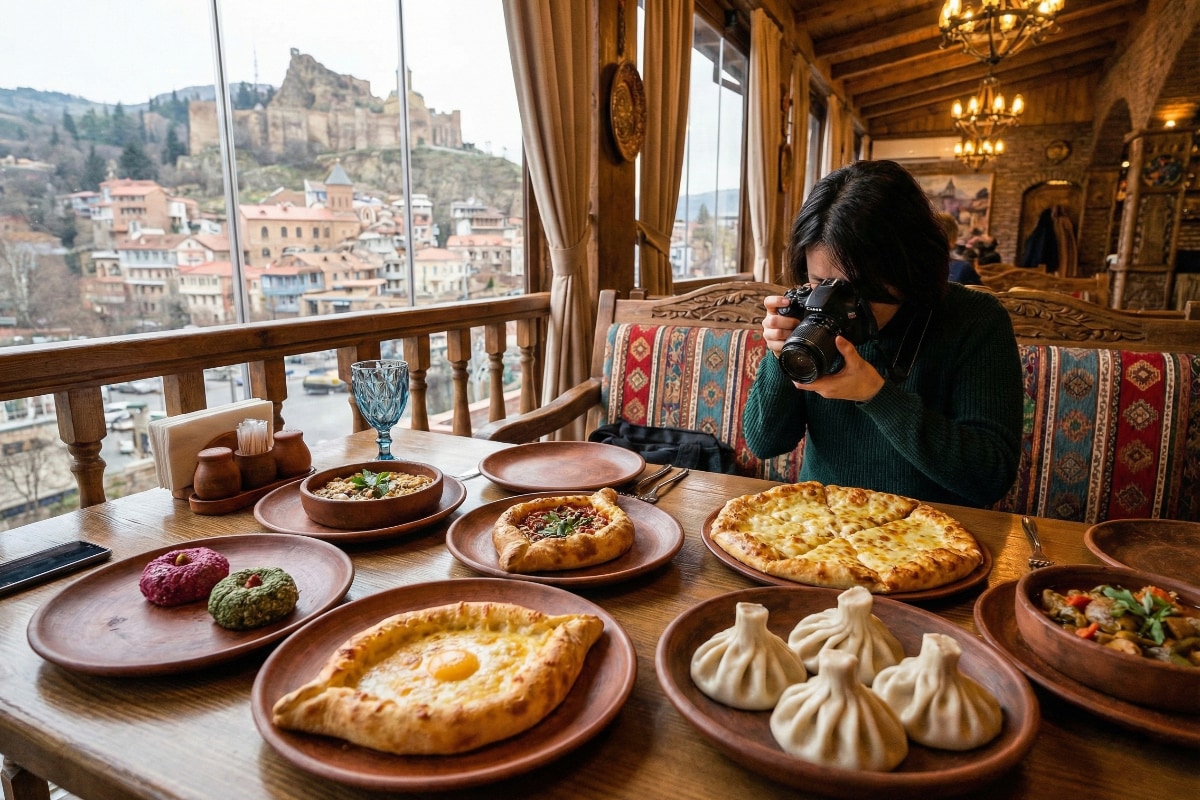
Table manners in Georgia are relaxed but communal, emphasizing sharing rather than individual consumption. Dishes are usually placed in the center of the table for everyone to sample, known as family-style dining. When eating Khinkali (dumplings), never use a knife and fork; this is considered a culinary sin in Georgia. You must hold the dumpling by its doughy handle (the kuchi), bite a small hole to drink the broth, and then eat the rest, leaving the handle on the plate to count how many you have conquered.
A Taste of Georgia: Must-Try Dishes
No trip to Tbilisi is complete without indulging in the country's rich culinary heritage. Georgian cuisine is a delightful fusion of flavors, influenced by its location at the crossroads of Europe and Asia. Here are a few dishes you absolutely must try:
- Khachapuri: This cheese-filled bread is a national staple, with variations like Imeruli (cheese inside) and Adjaruli (topped with a raw egg and butter).
- Khinkali: Juicy meat dumplings, best enjoyed by hand. Remember to drink the broth first!
- Pkhali: A vibrant vegetarian dish made from finely chopped vegetables (like spinach, eggplant, or beets) mixed with walnuts and herbs.
- Shashlik: Grilled skewers of marinated meat, often served with tkemali (sour plum sauce).
- Churchkhela: A traditional candy made from nuts dipped in thickened grape juice, often called "Georgian Snickers."
Breaking the Language Barrier: Essential Georgian Phrases
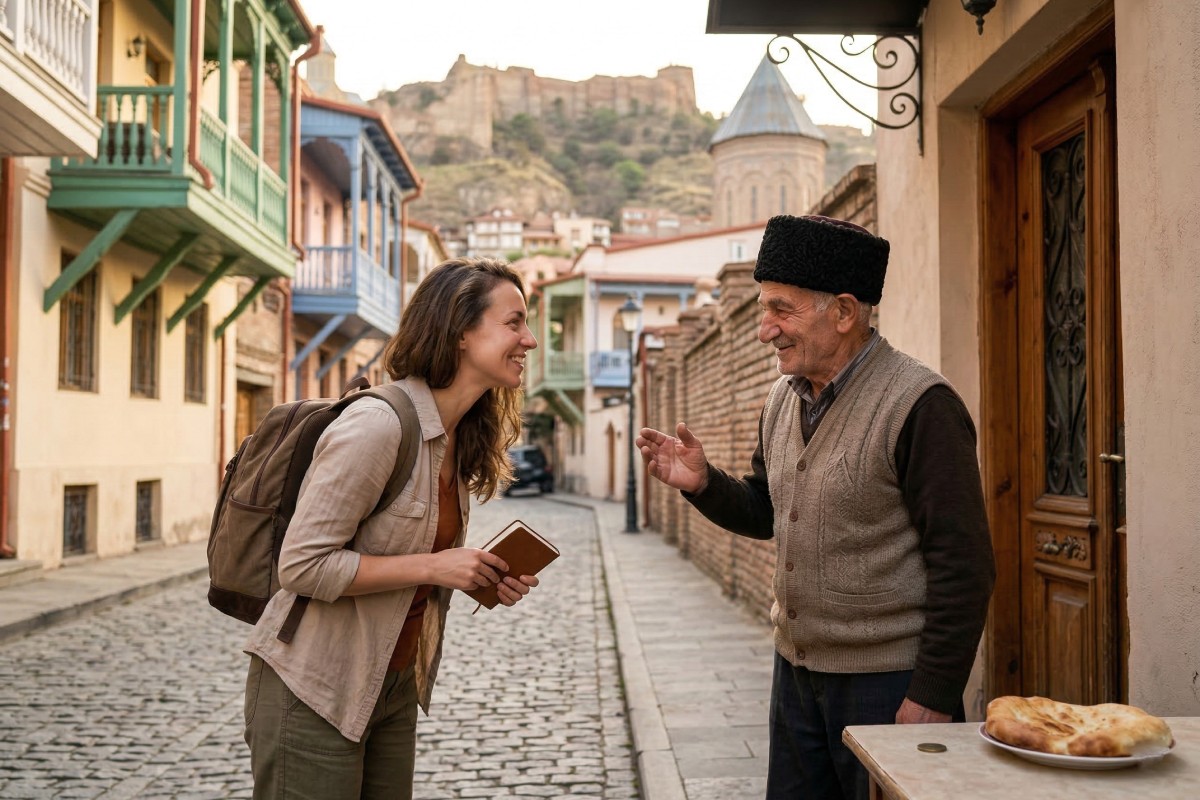
The Georgian language, Kartuli, is unique, boasting its own beautiful, script-like alphabet that looks like elvish to the untrained eye. While many young people in Tbilisi speak excellent English, and older generations often speak Russian, making an effort to speak a few words of Georgian will instantly endear you to the locals. It shows that you respect their unique heritage and are willing to step outside your comfort zone. You don't need to be fluent, but mastering the basics of greeting and gratitude can transform a transactional interaction into a friendly exchange.
Below is a guide to the most essential phrases you will need during your trip. Pronunciation can be tricky, as Georgian has some guttural sounds, but locals are generally patient and happy to help you correct your accent.
| English Meaning | Georgian Phrase | Pronunciation | Context & Usage |
| Hello | გამარჯობა | Ga-mar-jo-ba | Used for everyone, any time of day. Literally means "Victory." |
| Thank you | მადლობა | Mad-lo-ba | The most common way to say thanks. |
| Yes / No | კი / არა | Ki / Ara | Simple and essential for daily interactions. |
| Excuse me / Sorry | ბოდიში | Bo-di-shi | Used to apologize or get someone's attention. |
| Cheers! | გაუმარჯოს | Ga-u-mar-jos | Essential for drinking wine. Literally "to victory." |
| How much is it? | რა ღირს? | Ra ghirs? | Useful in markets and taxis. |
| Delicious | გემრიელია | Gem-ri-eli-a | The best compliment you can give a chef or host. |
| Please | გთხოვთ | Gthovt | Polite way to ask for something. |
| My name is... | მე მქვია... | Me mkvia... | Useful for introductions. |
Social Etiquette and Daily Interactions
Beyond the dining table and religious sites, general social etiquette in Tbilisi is warm and tactile. Personal space is smaller here than in Northern Europe or North America; don't be alarmed if people stand close to you in queues or during conversation. Greetings between friends and acquaintances usually involve a kiss on the cheek, and handshakes are common for men. If you are meeting someone for the first time, a handshake with direct eye contact is the standard and polite way to introduce yourself.
When navigating the bustling markets like the Dry Bridge Market or the Dezerter Bazaar, interaction is key. Vendors expect you to engage with them, ask questions about their goods, and perhaps even sample a slice of cheese or a piece of Churchkhela. While haggling is not as aggressive as in some Middle Eastern countries, it is acceptable in open markets and for taxi rides that aren't on an app. However, always do so with a smile and a sense of humor rather than a demanding attitude. Remember, the goal is a fair exchange, not a battle.
Finally, be mindful of sensitive topics. Georgia has a complex geopolitical history, and while locals are politically active and opinionated, it is wise for visitors to listen more than they speak regarding regional conflicts. Focus your conversations on the beauty of the country, the food, the wine, and the culture. By approaching Tbilisi with an open heart, a respectful demeanor, and a few Georgian words on your tongue, you will find that the city embraces you back with an intensity that is hard to find anywhere else in the world.