Imagine walking across the entire country of Georgia in just a couple of hours. Picture yourself stepping from the humid, wooden homesteads of the Black Sea coast directly into the sturdy, stone-walled dwellings of the high Caucasus mountains. This is not a fantasy; it is the reality awaiting you at the Tbilisi Open Air Museum of Ethnography. Perched on a hillside overlooking the Vake district and leading up to Turtle Lake (Kus Tba), this museum is far more than a collection of old buildings. It is a living, breathing time capsule that captures the resilience, artistry, and domestic soul of the Georgian people.
As we navigate through January 2026, the appeal of outdoor cultural experiences continues to grow. Travelers are increasingly seeking authentic connections with history, and this museum offers exactly that. Whether you are a history buff, an architecture enthusiast, or simply a traveler looking for a peaceful escape from the city buzz, this open-air sanctuary provides a panoramic view of Georgia’s diverse ethnographic landscape. It is a place where the smell of aged wood and the sound of wind rustling through pine trees accompany your journey through centuries of tradition.
A Miniature Model of Georgia
Founded in 1966 by the visionary Georgian ethnographer Giorgi Chitaia, the museum was designed to be a miniature model of the country. Spanning approximately 52 hectares, the grounds are divided into distinctive zones that represent the major historical-geographic regions of Georgia. It is fascinating to realize that these are not replicas; the buildings were dismantled from their original locations in villages across the country, transported to Tbilisi, and painstakingly reassembled log by log and stone by stone.
The collection includes over 70 buildings and thousands of artifacts. You aren't just looking at empty shells; the interiors are furnished with authentic household items, agricultural tools, ceramics, and textiles that reflect the lifestyle of the specific region and era. From the flatlands of Kartli to the highlands of Svaneti, the museum showcases the incredible adaptation of Georgian architecture to the local climate and terrain.
Exploring Traditional Georgian Architecture
The architectural diversity within the museum is striking. As you wander the winding paths, you will notice how drastically the styles change depending on the region's geography and climate.
The Darbazi Houses of Eastern Georgia
One of the most significant architectural forms you will encounter is the Darbazi house, typical of Eastern Georgia (Kartli and Kakheti). These structures are semi-subterranean to maintain warmth during harsh winters. The crown jewel of a Darbazi house is its roof, known as the Gvirgvini. It is a complex, dome-like structure made of stepped wood logs that narrow as they go up, leaving a central opening for smoke to escape and light to enter.
Inside these houses, look for the Dedabodzi, or "Mother Pillar." This centrally located, intricately carved wooden pillar was considered the spiritual center of the home and the family's foundation. The craftsmanship involved in carving these pillars is a testament to the artistic heritage of the Georgian peasantry.
The Oda Houses of Western Georgia
In contrast to the heavy stone and earth structures of the East, the architecture of Western Georgia (Samegrelo, Imereti, Guria, Adjara) feels lighter and airier. Here, you will find the Oda houses. Due to the humid subtropical climate of the west, these wooden houses are elevated on stone or wooden stilts to protect against dampness and flooding.
Key features of the Oda house include:
- Wide Balconies: Often wrapping around the house, serving as the primary living space during warm months.
- Intricate Wood Carvings: The balconies and pillars often feature lace-like wooden ornaments.
- Four-Pitched Roofs: Designed to shed heavy rainfall efficiently.
- Open Layouts: To facilitate cross-ventilation.
Cultural Immersion Near Turtle Lake
The location of the museum itself adds a layer of charm to the visit. Situated on the northern slope of the Trialeti Range, it serves as a green buffer zone for the city. Many visitors combine a trip to the museum with a visit to Turtle Lake, a popular recreational spot located just up the hill. The fresh air and elevation offer a respite from the summer heat and a snowy wonderland in winter.
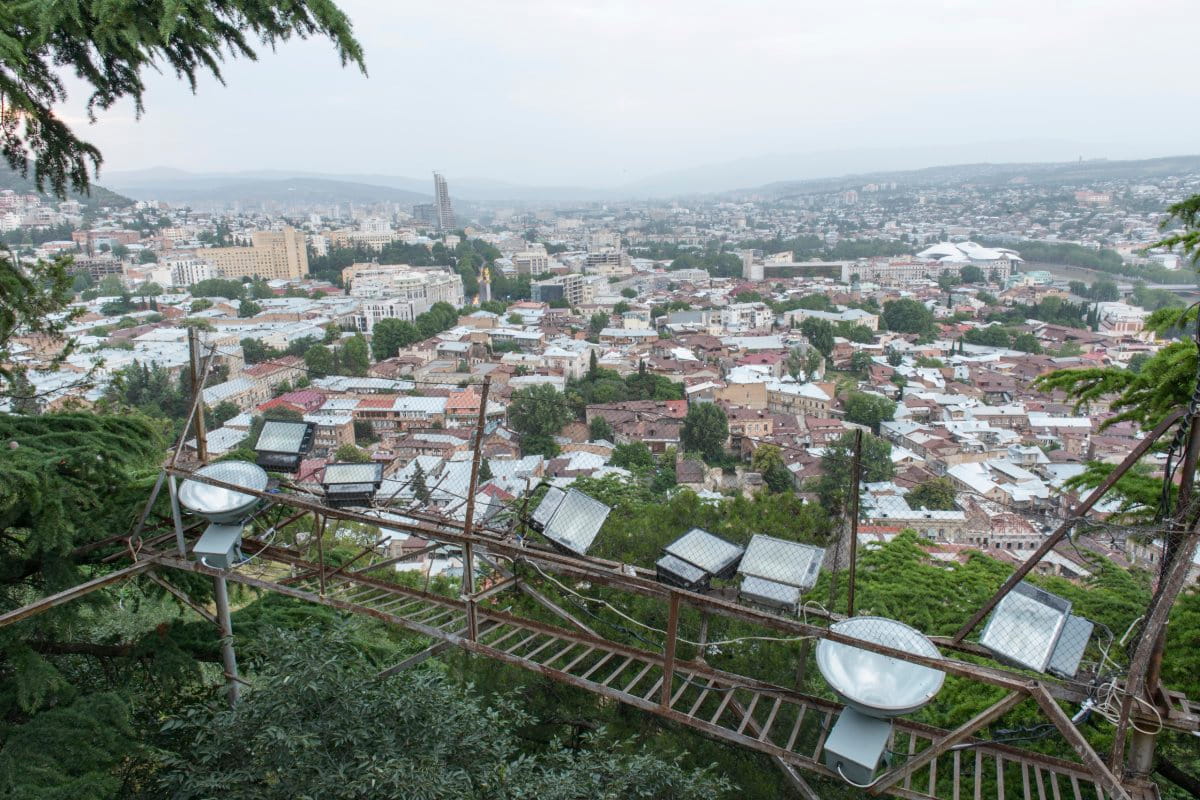
The terrain of the museum is naturally hilly, mimicking the landscapes of Georgia. This means a visit here is also a bit of a hike. As you climb from the lower section (representing the plains) to the upper sections (representing the mountains), you are rewarded with spectacular views of Tbilisi. It provides a perfect vantage point to see the contrast between the ancient wooden structures in the foreground and the modern skyline of the capital in the background.
Festivals and Seasonal Events
The Tbilisi Open Air Museum of Ethnography is not a static exhibition; it is a vibrant cultural hub. Throughout the year, the museum grounds host various festivals that bring the silent houses back to life. While January is generally quieter, allowing for a contemplative atmosphere, the warmer months transform the space.
The most famous of these is the Art-Gene Festival, usually held in summer. During this event, the museum buzzes with energy:
- Live Folk Music: Traditional polyphonic singing echoes through the valleys.
- Craft Fairs: Artisans from different regions sell handmade pottery, felt, and jewelry.
- Culinary Experiences: Visitors can taste regional delicacies, from Khinkali to freshly baked bread.
- Wine Tasting: Traditional Qvevri wine making is often demonstrated.
Even if you visit when no festival is on, the museum often hosts weekend workshops where you can watch blacksmiths, potters, or carpet weavers at work, keeping these ancient skills alive.
Visitor Information: Tickets and Tours
Planning your visit is straightforward, but there are a few things to keep in mind to maximize your experience. The museum operates year-round, though opening hours can shift slightly depending on the season.
Entrance Fees and Guided Tours
Access to the museum requires a ticket, which can be purchased at the gate. The entrance fee is generally very reasonable, with discounted rates often available for students and children. While you can certainly wander the grounds on your own, hiring a guide is highly recommended.
English-speaking guides are available and offer immense value. Without a guide, a house is just a house. With a guide, you learn about the family hierarchy, the superstitions regarding the hearth, the function of specific tools, and the history behind the relocation of the buildings. Tours usually last between 60 to 90 minutes.
| Feature | Details |
| Location | Kus Tba Road (Turtle Lake Road), Vake District, Tbilisi |
| Average Visit Duration | 1.5 to 2.5 Hours |
| Terrain | Hilly and uneven; requires walking uphill |
| Facilities | Restrooms, small souvenir shop, occasional cafe (seasonal) |
| Best Time for Photos | Late afternoon (Golden Hour) or early morning |
Practical Tips for a Memorable Visit
To ensure you enjoy your journey through Georgian history comfortably, here are a few practical tips tailored for the modern traveler:
- Footwear Matters: The paths are gravel and dirt, and the terrain is sloped. Wear comfortable walking shoes or hiking boots. High heels or flip-flops will make the experience difficult.
- Hydration and Snacks: While there is sometimes a cafe operating on-site, it is not always guaranteed, especially in the off-season. It is wise to bring a bottle of water and some light snacks.
- Accessibility: Due to the historical nature of the buildings and the hillside terrain, the museum is unfortunately not very wheelchair friendly.
- Combine the Trip: You can take the cable car from Vake Park up to Turtle Lake and then walk down to the museum, or take a taxi directly to the museum gate. The walk down from the lake is scenic and easier on the legs.
The Tbilisi Open Air Museum of Ethnography stands as a guardian of Georgia's identity. It reminds us that while Tbilisi modernizes with glass skyscrapers and neon lights, the heart of the nation beats in the wooden beams of an Oda house and the stone walls of a mountain tower. A visit here is not just sightseeing; it is an act of witnessing the endurance of a culture that has thrived for millennia.