Tbilisi is a city of captivating contrasts, where ancient sulfur baths sit beneath futuristic glass bridges and crumbling wooden balconies overlook trendy wine bars. For any traveler arriving in the Georgian capital in 2026, the city offers a sensory overload that is both exhilarating and slightly overwhelming. Choosing where to base yourself is not just about finding a bed to sleep in; it is about selecting the lens through which you want to view this complex, multi-layered city. Your experience in the quiet, leafy streets of Vake will be vastly different from the energetic, tourist-centric pulse of the Old Town.
The geography of Tbilisi is defined by the Mtkvari River, which slices the city in half, and the surrounding hills that create distinct micro-atmospheres in each district. Whether you are a digital nomad looking for a month-long rental with good Wi-Fi, a couple seeking a romantic weekend getaway, or a backpacker hunting for the coolest hostels, understanding the personality of each neighborhood is crucial. In this guide, we will navigate through the most popular districts, weighing the pros and cons to help you find the location that perfectly aligns with your travel style and budget.
Old Tbilisi (Dzveli Tbilisi): The Historic Heart
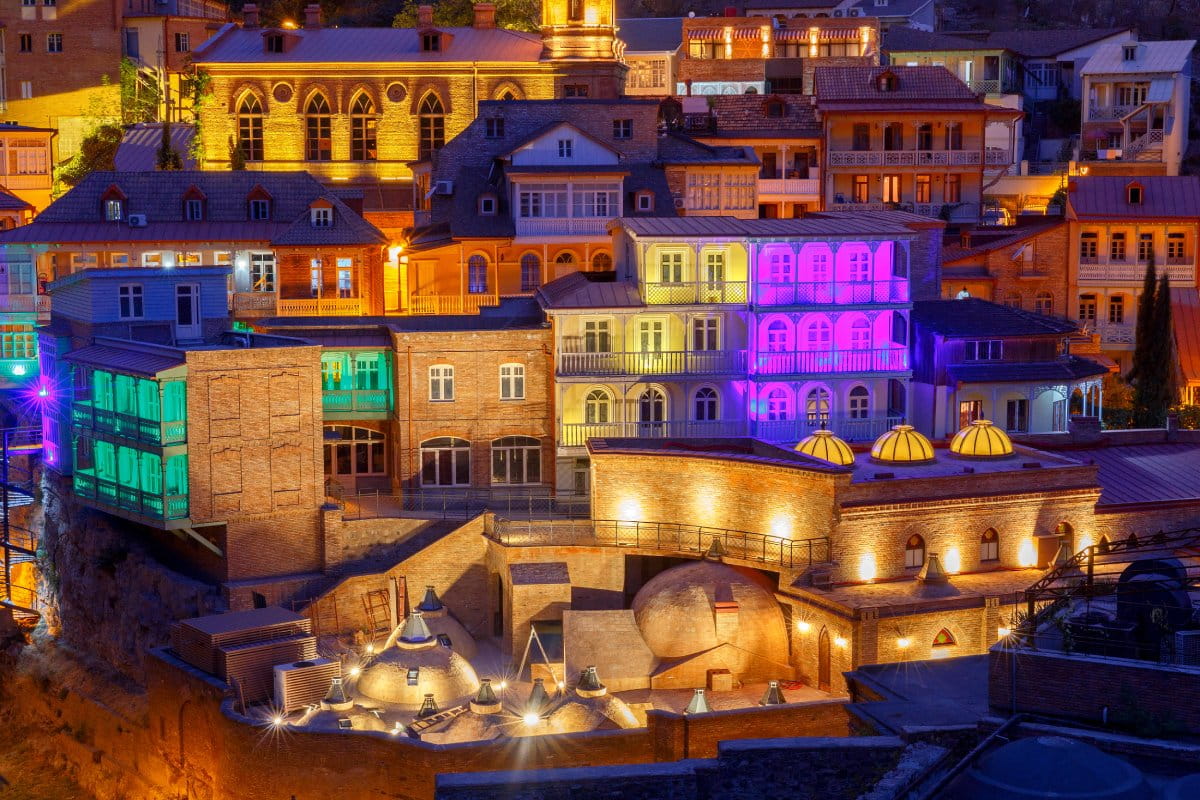
For most first-time visitors, Old Tbilisi is the magnetic center of gravity. This is the postcard version of the city you have likely seen on Instagram: narrow, winding cobblestone streets, pastel-colored houses with intricate carved wooden balconies, and the looming Narikala Fortress keeping watch from above. Staying here means you are within walking distance of the famous Abanotubani sulfur baths, the Shardeni Street nightlife, and nearly all major historical landmarks. It is undeniably atmospheric, especially in the early mornings when the sunlight hits the stained glass of the traditional houses.
However, being in the epicenter of tourism comes with its trade-offs. The area is bustling day and night, meaning it might not be the best choice if you are a light sleeper or seeking a local, residential vibe. The restaurants here cater primarily to tourists, which often means higher prices and sometimes less authentic flavors compared to neighborhood taverns further out. Yet, the sheer convenience of stepping out of your door and into history makes it a top contender for short stays.
Pros and Cons of Old Tbilisi
- Pros: incredibly walkable, stunning architecture, close to major sights, vibrant atmosphere, and excellent photo opportunities around every corner.
- Cons: can be noisy and crowded, higher accommodation costs, tourist-trap restaurants, and hilly terrain that can be tiring after a long day.
Vake: The Upscale and Trendy Retreat
If Old Tbilisi is the soul of the city, Vake is its polished, modern face. Located away from the historic center, Vake is where the city’s elite, expats, and diplomats tend to live. The neighborhood feels distinctively European, with wide avenues like Chavchavadze Avenue lined with high-end boutiques, specialty coffee shops, and fine-dining establishments. It is also one of the greenest parts of the city, home to Vake Park and Mziuri Park, making it an excellent choice for families or those who enjoy morning jogs. In 2026, Vake continues to establish itself as the hub for luxury hotels and premium apartments.
The main drawback of Vake has traditionally been its lack of a metro station, although the bus system is efficient. This isolation, however, is exactly what some travelers love about it; it feels separated from the chaotic tourist rush. If you are staying for a longer period or working remotely, Vake offers a high quality of life with modern amenities, reliable infrastructure, and a sophisticated nightlife scene that revolves around cocktail bars rather than rowdy clubs.
Pros and Cons of Vake
- Pros: safe and upscale atmosphere, high-quality restaurants and cafes, beautiful parks, modern apartments, and a quiet residential feel.
- Cons: no direct metro access, traffic congestion during rush hour, further away from historical sightseeing spots, and generally more expensive lifestyle.
Marjanishvili (Chugureti): The Hipster Hub
Located on the left bank of the Mtkvari River, the area surrounding Marjanishvili metro station—historically part of the Chugureti district—has transformed into the capital's coolest neighborhood. The catalyst for this transformation is undoubtedly Fabrika, a former Soviet sewing factory turned into a massive multi-functional space with a hostel, bars, and art studios. This area attracts a younger crowd, artists, and digital nomads who appreciate the grit and creativity of the streets. The architecture here is a mix of neoclassical grandeur along Agmashenebeli Avenue and crumbling beauty in the backstreets.
Marjanishvili is fantastic because it balances authenticity with accessibility. You are just one metro stop away from the Old Town, yet you are surrounded by a local community that feels alive and evolving. The dining scene here is eclectic, ranging from traditional Georgian cellars to vegan cafes and international fusion spots. It is an ideal middle ground for travelers who want character without the extreme tourist density of the Old Town or the polished detachment of Vake.
Pros and Cons of Marjanishvili
- Pros: excellent metro connectivity, vibrant arts scene, great mix of budget and boutique accommodation, pedestrian-friendly Agmashenebeli Avenue, and a youthful vibe.
- Cons: some backstreets can feel a bit run-down or dark at night, noise levels near popular bars, and traffic congestion on the main bridges crossing to the right bank.
Vera: The Bohemian Neighbor
Nestled just north of the Old Town and bordering Vake, Vera offers a charming compromise between the two. It is a hilly, historic district known for its bohemian history, having been the home to many Georgian intellectuals and musicians. The streets here are leafy and intimate, filled with hidden garden cafes and independent shops. Vera feels deeply authentic; you will see laundry drying on lines between buildings and grandmothers chatting on benches, yet you are only a ten-minute walk from Rustaveli Avenue, the city's main artery.
Vera is perfect for couples or solo travelers who want a romantic, quieter experience while remaining central. The accommodation options here lean towards guesthouses and boutique hotels set in renovated historic buildings. It captures the "old world" feel without the souvenir shops of the main tourist district. However, be prepared for a workout—Vera is built on a steep incline, and walking home often involves navigating significant hills.
Pros and Cons of Vera
- Pros: Central location, quiet and romantic atmosphere, unique guesthouses and boutique hotels, close to Rustaveli Avenue, authentic local feel.
- Cons: Hilly terrain, limited metro access, can be more expensive than other neighborhoods outside the center.
Comparison: Which District Suits You?
To help you make a final decision, here is a quick breakdown of what each major district offers to different types of travelers.
| District | Best For | Vibe | Budget Level |
| Old Tbilisi | First-timers, History Lovers | Historic, Busy, Touristy | Mid to High |
| Vake | Luxury Travelers, Expats | Chic, Modern, Green | High |
| Marjanishvili | Creatives, Youth, Backpackers | Artsy, Hip, Social | Budget to Mid |
| Vera | Couples, Culture Seekers | Bohemian, Authentic, Hilly | Mid |
| Avlabari | Budget Travelers, View Hunters | Local, Rougher, Scenic | Budget |
Avlabari: The Budget-Friendly Alternative
Situated on the cliffs overlooking the Old Town from the opposite side of the river, Avlabari is often overlooked but offers some of the most spectacular views in Tbilisi. Dominated by the massive Holy Trinity Cathedral (Sameba), this area feels more like a village within the city. It is significantly more affordable than the districts across the river, making it a favorite for budget travelers and those looking for guesthouses with panoramic terraces.
While Avlabari lacks the density of cafes and bars found in Vera or Vake, its metro station is a major transport hub, allowing you to reach anywhere in the city quickly. The area is currently undergoing gentrification, but as of early 2026, it still retains a raw, unpolished charm. If you don't mind a slightly rougher aesthetic in exchange for saving money and waking up to the best sunrise views over the Old Town, Avlabari is a smart choice.
Pros and Cons of Avlabari
- Pros: Stunning views of Old Tbilisi, budget-friendly accommodation, major metro hub, close proximity to Holy Trinity Cathedral.
- Cons: Can feel rough around the edges, limited nightlife options compared to other districts.
Sololaki: The Elegant and Artistic Enclave
Tucked away between Old Tbilisi and Vera, Sololaki is a hidden gem known for its European architecture, art nouveau buildings, and a growing number of trendy cafes and bars. This district exudes an air of faded grandeur, with its ornate facades and quiet, tree-lined streets. Sololaki has long been a haven for artists and intellectuals, and that creative spirit is still palpable today.
Staying in Sololaki offers a unique blend of history and modernity. You'll find charming courtyards, antique shops, and art galleries alongside contemporary restaurants and wine bars. It's a walkable neighborhood, perfect for exploring on foot and discovering hidden gems. While it's not as bustling as Old Tbilisi or as polished as Vake, Sololaki offers a more intimate and authentic experience of Tbilisi.
Pros and Cons of Sololaki
- Pros: Beautiful architecture, central location, growing number of trendy cafes and bars, artistic atmosphere, walkable streets.
- Cons: Can be quieter than other districts, limited metro access, parking can be challenging.
Chughureti: Beyond Marjanishvili
While Marjanishvili has become synonymous with the Chughureti district, there's more to this area than just the hipster hub. Venturing further from Agmashenebeli Avenue, you'll discover a more residential and authentic side of Chughureti. This area is characterized by its diverse architecture, ranging from traditional Georgian houses to Soviet-era apartment buildings. It's a melting pot of cultures, with a vibrant community of locals and immigrants.
Staying in this part of Chughureti offers a glimpse into everyday life in Tbilisi. You'll find local markets, family-run restaurants, and a more affordable cost of living than in the more touristy areas. While it may not have the same level of polish as Vake or the historical charm of Old Tbilisi, Chughureti offers a unique and authentic experience for travelers who want to immerse themselves in the local culture.
Pros and Cons of Chughureti (Beyond Marjanishvili)
- Pros: Authentic local experience, affordable cost of living, diverse architecture, close proximity to Marjanishvili metro station.
- Cons: Can feel less safe than other districts at night, limited tourist attractions, may require more effort to navigate without speaking Georgian or Russian.
Final Thoughts on Choosing Your Base
Ultimately, there is no single "best" neighborhood in Tbilisi; the city is a patchwork of distinct personalities, each offering a unique slice of Georgian life. If you are visiting for a few days to see the sights, stick to Old Tbilisi or the lower parts of Vera. If you are staying for a week or more to work and live like a local, head to Vake or Marjanishvili. Wherever you choose to drop your bags, the city's inexpensive taxi apps and growing public transport network make it easy to explore cross-town. Tbilisi rewards the curious, so do not hesitate to stay in one district and spend your days getting lost in another.