Tbilisi is a city of layers, where centuries-old history stacks comfortably against modern glass architecture, and traditional wine cellars sit next to techno clubs. For any traveler visiting Georgia’s capital in 2026, the first question is almost always the same: Where should I stay? The answer isn't straightforward because Tbilisi doesn't have just one center. Instead, it is a patchwork of distinct neighborhoods, each offering a completely different atmosphere, pace, and aesthetic. Choosing the right district can elevate your trip from a standard sightseeing tour to a deeply personal experience that resonates with your travel style.
Whether you are hunting for the romance of hanging wooden balconies, the energy of a burgeoning art scene, or the quiet luxury of tree-lined avenues, this city has a corner for you. Navigating these districts might seem daunting at first, but understanding the layout is key to unlocking the best access to major attractions, dining, and nightlife. This guide breaks down the most popular and up-and-coming areas to help you decide where to drop your bags.
Old Tbilisi (Dzveli Tbilisi): The Historic Heart
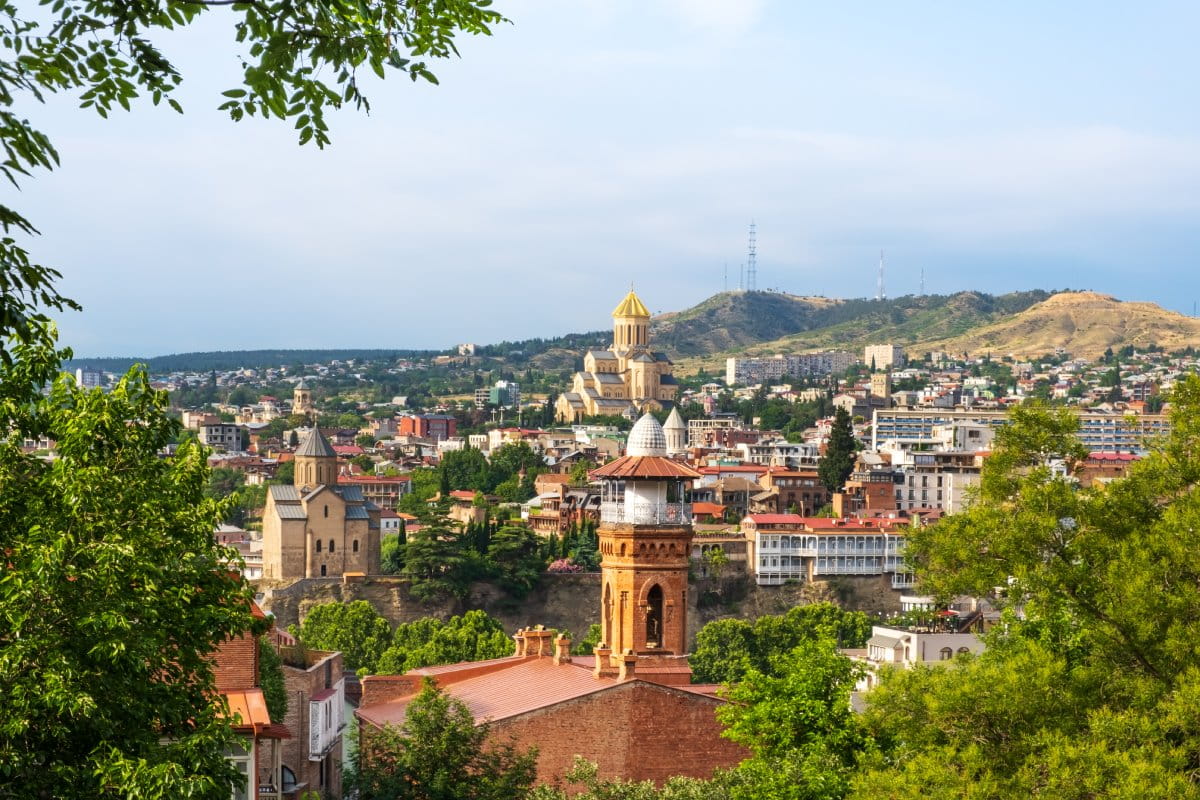
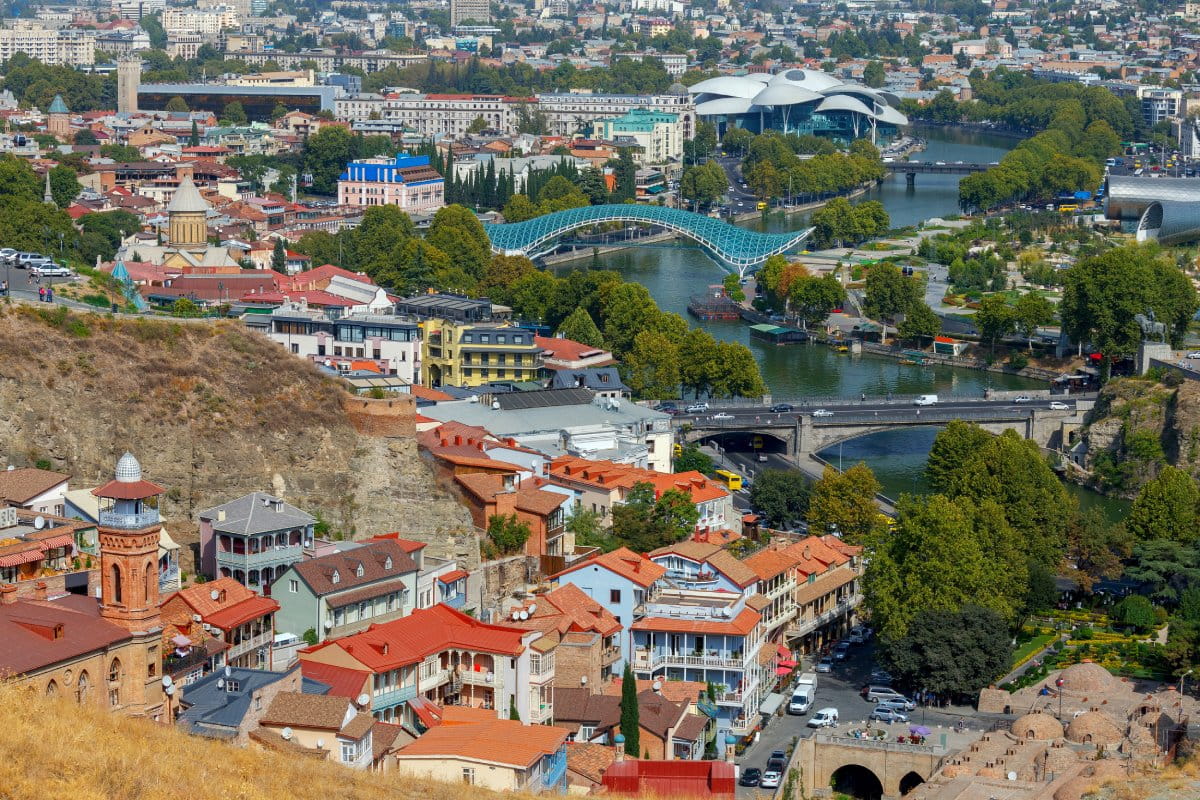
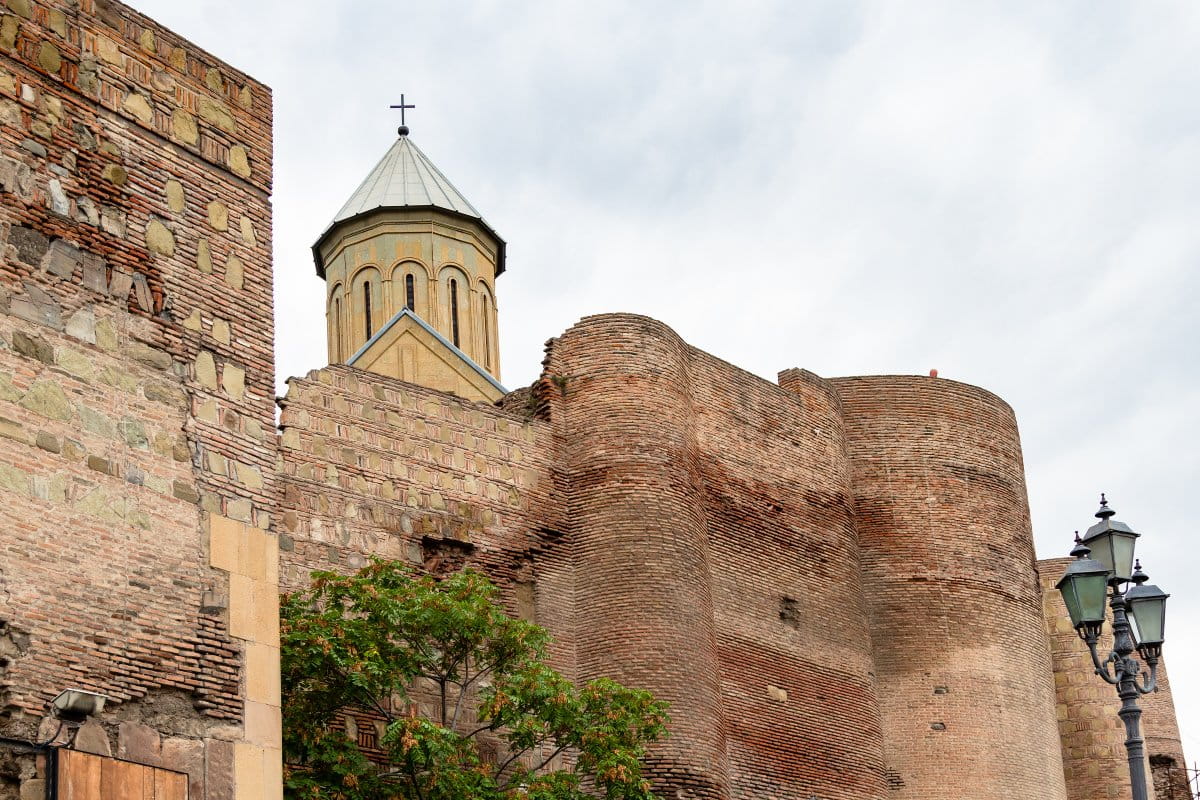
For first-time visitors, Old Tbilisi is often the default choice, and for good reason. This is the postcard version of the city you’ve likely seen on Instagram: narrow, winding cobblestone streets, colorful houses with intricate wooden balconies, and the looming silhouette of the Narikala Fortress. Staying here means you are in the epicenter of the action, with most major landmarks within walking distance.
The vibe here is undeniably tourist-centric, but it retains a magical charm, especially in the early mornings or late evenings when the day-trippers have dispersed. You are steps away from the Sulfur Baths (Abanotubani), the botanical garden, and the bustling Shardeni Street.
Why Choose Old Tbilisi?
- Walkability: You can explore the majority of historical sites without ever needing a taxi or bus.
- Atmosphere: The density of history here is palpable; you are sleeping in the oldest part of the city.
- Dining Options: From high-end fusion restaurants to traditional khinkali houses, the options are endless.
However, be aware that this area can be noisy and crowded. If you prefer a local residential feel, this might feel a bit like a living museum.
Sololaki: The Architectural Gem
Just a stone's throw from the Old Town and Liberty Square lies Sololaki. Historically, this was the district of wealthy merchants and artists in the 19th and early 20th centuries. Today, it is famous for its stunning, albeit sometimes crumbling, Art Nouveau architecture and hidden "Italian courtyards."
Sololaki offers a more authentic, lived-in atmosphere than the Old Town. It is incredibly atmospheric, filled with speakeasy bars, cozy cafes, and wine shops tucked into basements. It is an ideal spot for travelers who want to be central but crave a bit more grit and character. You are close enough to the action to walk to the Old Town in ten minutes, yet far enough to escape the thickest tourist crowds.
Marjanishvili and Chugureti: The Hipster Hub
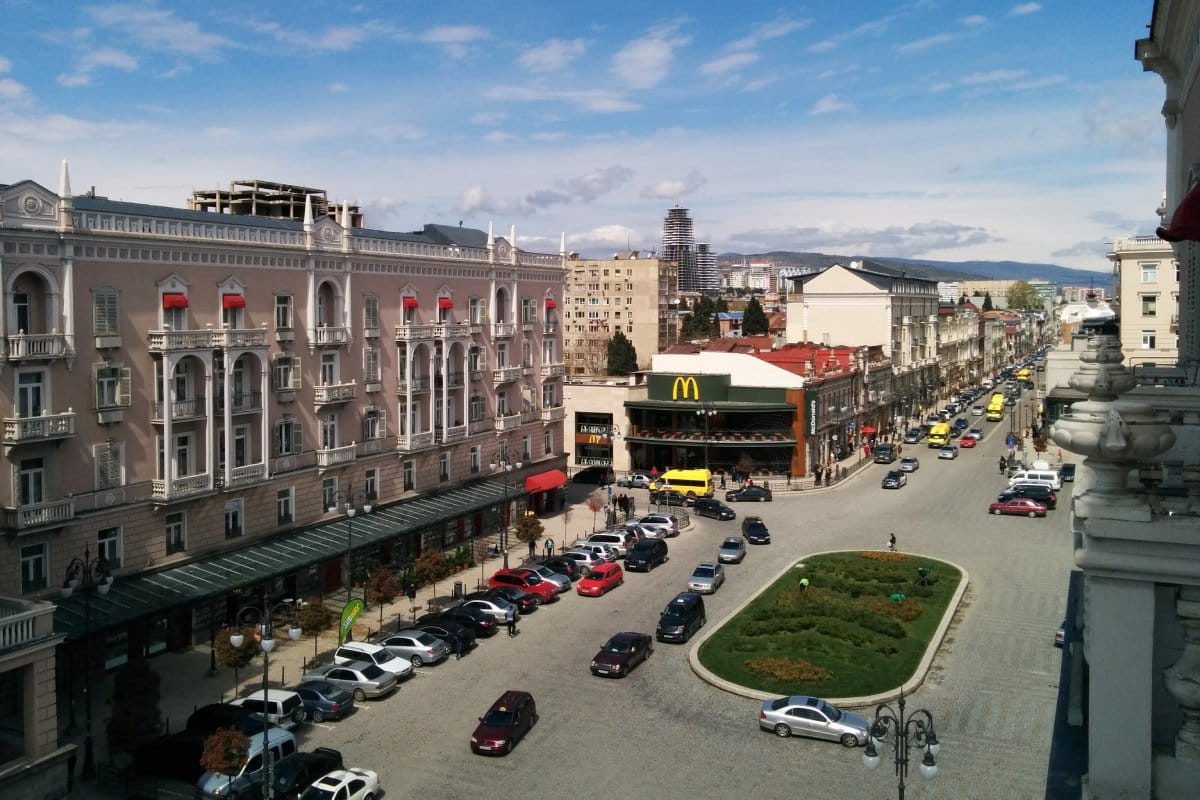
Cross the Dry Bridge to the Left Bank of the Mtkvari River, and you enter a different world. The Chugureti district, anchored by the Marjanishvili metro station, has transformed rapidly over the last few years into the city's coolest neighborhood. This area is a blend of beautifully restored avenues (like Agmashenebeli Avenue) and raw, industrial creativity.
The crown jewel of this area is Fabrika, a former Soviet sewing factory turned into a massive multi-functional space with a hostel, bars, majestic street art, and coworking spaces. Around it, a myriad of independent cafes, vintage shops, and art galleries have sprung up.
Highlights of Staying in Marjanishvili
- Nightlife & Socializing: This is the place to be for meeting locals and expats. The energy is young and creative.
- Transport: The Marjanishvili Metro station connects you easily to the rest of the city.
- Food Scene: You will find some of the best brunch spots and international cuisine here.
Vake: Modern Luxury and Green Spaces
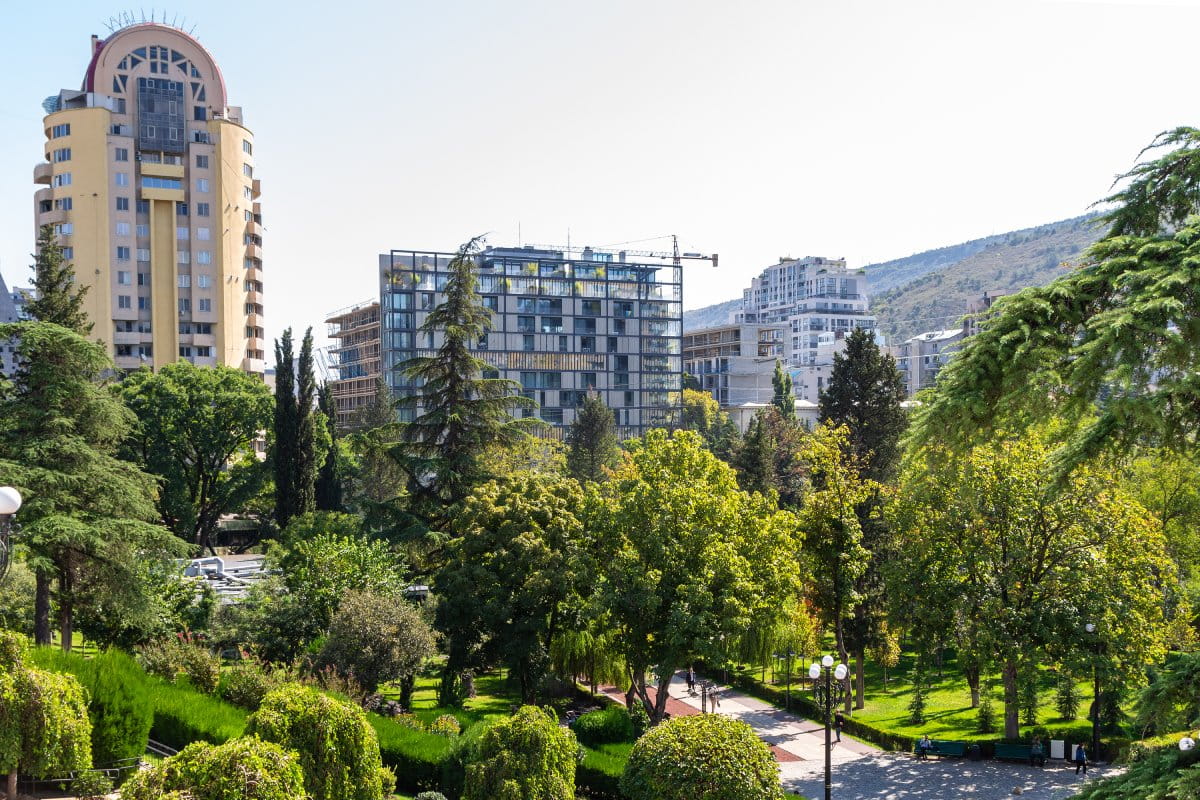
If you prefer polished sidewalks, high-end shopping, and a calmer environment, Vake is the answer. Located away from the historic center, Vake is often described as the "posh" district. It is home to universities, embassies, and Tbilisi’s elite. The architecture here shifts from crumbling brick to solid Soviet classicism and modern high-rises.
Vake is not served by a metro station, which deters some tourists, but its bus system is efficient, and taxis are readily available. The trade-off is worth it if you value tranquility and green space. Vake Park is a massive recreational area, and the district is filled with artisanal bakeries, concept stores, and fine-dining establishments that cater to locals rather than tourists.
Vera: The Bohemian Hills
Nestled between the bustle of Rustaveli Avenue and the posh streets of Vake, Vera is a hilly, green, and bohemian neighborhood. It feels like a village within a city. The streets are steep and winding, lined with red-brick houses and overgrown gardens. Vera has a romantic, intimate feel that appeals to couples and solo travelers looking for quiet inspiration.
Staying in Vera puts you within walking distance of the Rustaveli Metro and the Concert Hall, but be prepared for a workout. The hills are no joke, but the views from the upper streets over the city are spectacular. It’s a neighborhood of hidden gems, small jazz clubs, and garden cafes.
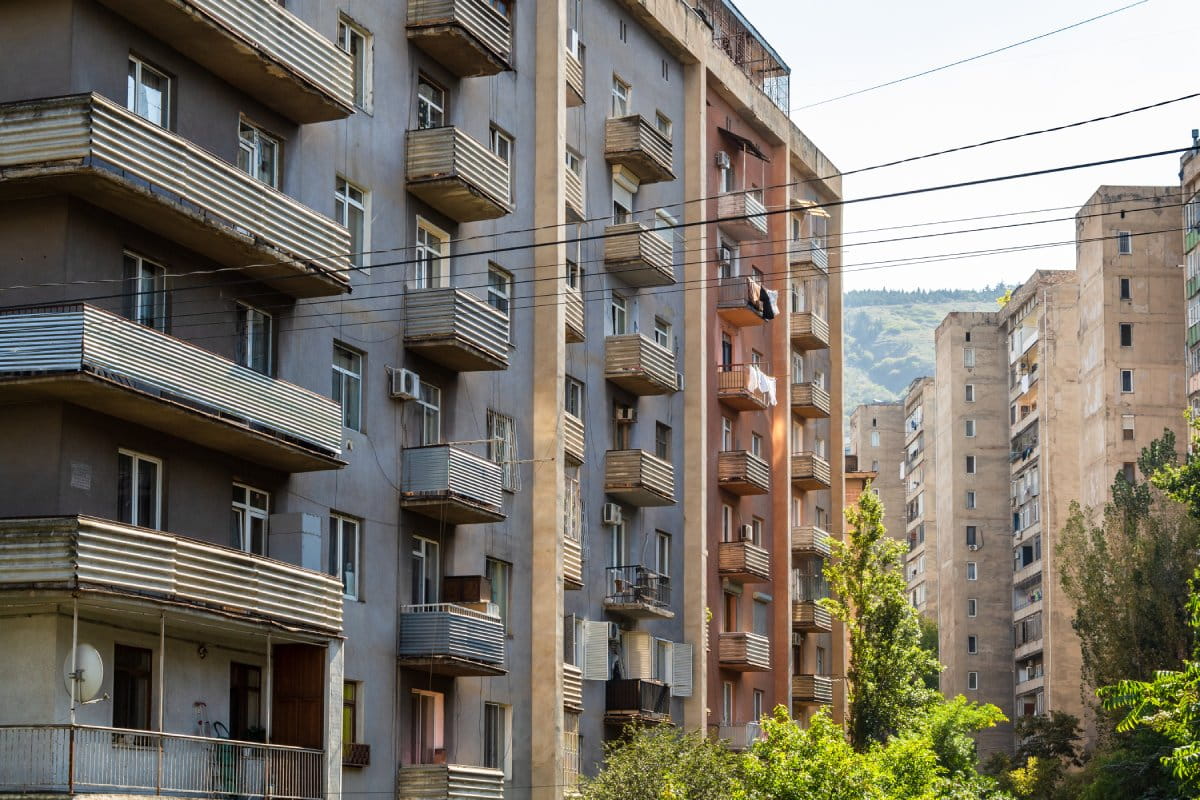
Avlabari: Views and Vineyards
Located on the cliffs overlooking the Old Town from the opposite side of the river, Avlabari is one of the oldest parts of Tbilisi. It is dominated by the massive Holy Trinity Cathedral (Sameba) and the historic Metekhi Church. While parts of Avlabari are still under development, the cliff-side hotels offer arguably the best views in the entire city.
This area is quieter at night compared to the Old Town or Sololaki. It serves as a great base if you plan to take day trips to the Kakheti wine region, as the highway heading east is easily accessible from here. It offers a more local, residential experience with a strong sense of community.
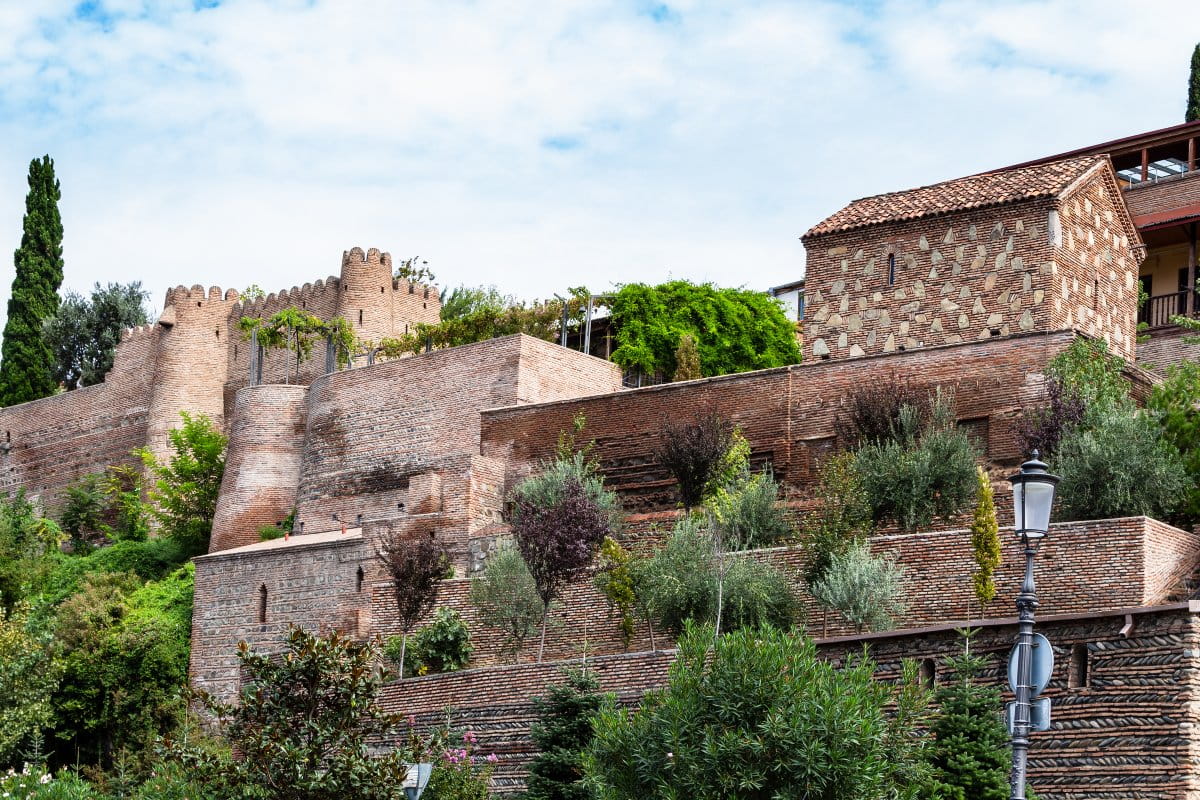
Neighborhood Comparison Guide
To help you make a final decision, here is a quick breakdown of what each district offers best:
| Neighborhood | Best For | Vibe | Transport Access |
| Old Tbilisi | First-timers, History buffs | Tourist-centric, Historic, Busy | Excellent (Walkable) |
| Sololaki | Architecture lovers, Couples | Atmospheric, Vintage, Artsy | Good (Near Liberty Sq) |
| Marjanishvili | Digital Nomads, Nightlife | Hip, Creative, Youthful | Excellent (Metro) |
| Vake | Luxury travelers, Families | Polished, Green, upscale | Moderate (Bus/Taxi) |
| Vera | Bohemians, Quiet seekers | Intimate, Hilly, Local | Good (Near Rustaveli) |
| Avlabari | View seekers, Budget | Traditional, Panoramic | Good (Metro) |
Final Tips for Choosing Your Base
When selecting your accommodation in Tbilisi, keep the topography in mind. Tbilisi is a valley city surrounded by mountains, meaning many neighborhoods like Vera, Sololaki, and parts of Avlabari involve steep hills. If mobility is a concern, stick to the flatter areas of Marjanishvili or the lower parts of Old Tbilisi.
Additionally, consider the season of your visit. In the heat of July and August, the breezier, higher altitudes of Vake or Vera can offer a respite from the humidity. Conversely, in the winter, the cozy, cellar-filled streets of Sololaki provide a warm refuge.
Ultimately, Tbilisi is a compact city. No matter where you choose to stay, the warmth of Georgian hospitality remains constant. Taxis are affordable, and the city is increasingly walkable. Your choice of neighborhood simply sets the tone for your morning coffee view and your walk home after a night of wine and music.